Sunday, October 23, 2011

2011 MG TF LE500

Specifications prices Modifications and Image 2011 MG TF LE500
With deliveries of the new MG TF Limited Edition due to commence in September, NAC MG UK Ltd have today, 2nd July 2008, set the price of this new sportscar at £16,399 on the road.
Sales and Marketing Director for NAC MG UK Ltd, Gary Hagen, said; “We are delighted to be able to bring in such a highly specified car at such a reasonable price. When you consider the level of specification that comes with the LE500, the package is extremely competitive.”
A new look, upgraded engine and a host of design refinements and extras have brought the MG bang up to date. A body coloured hardtop, sports styled leather seats and a piano black interior give the car a stylish new look.
 INTERIOR
As you sit in the car the environment exudes quality. The piano black trim, leather upholstery and chrome detail give the cabin a retro feel. MG has worked hard to maintain levels of comfort and finish that will make the new MG appeal to the widest spectrum of drivers.
As you recline in the leather sports seats the wheel and controls sit easily at hand and the redesigned instruments add to the overall feel that you are sitting in an authentic British Sports car. The previously analogue instrument pack has been replaced with an electronic control pack, giving the car more functionality and a great look.
Between the seats is the unique 500 LE badging, a detail that completes a highly specified, exclusive but most of all fundamentally MG interior.
 EXTERIOR
As you approach the car, the difference in styling is immediately obvious with a new look for the grille and bumper. The reshaping is designed to be more sympathetic to the overall look of the TF with more finesse and shape than its predecessor.
The MG TF LE500 comes in a range of six new colours with a body colour matched hard top as standard. The hard top benefits from a glass rear window which means winter motoring is much more comfortable, whilst maintaining the flexibility of enjoying the soft top in summer.
 ENGINE
The only mid-engined sports car in its class, the LE 500 is engineered to deliver a thoroughbred British sports car driving experience. So it comes equipped with a new Variable Valve Control N series engine. This EU4 compliant 1.8 litre 135 ps power pack will push the MG LE500 from 0-60 in 8.3 seconds and give it a top speed of 127mph//205km/h.
The N series engine has a newly designed multi layered steel cylinder head gasket and an upgraded oil rail, that allows an increase in the clamping load, and an enhanced cooling system; all improvements that result in a much more robust engine.
 Sales and Marketing Director for NAC MG UK Ltd, Gary Hagen, said; "We are delighted to be able to bring in such a highly specified car at such a reasonable price. When you consider the level of specification that comes with the LE500, the package is extremely competitive."

A new look, upgraded engine and a host of design refinements and extras have brought the MG bang up to date. A body coloured hardtop, sports styled leather seats and a piano black interior give the car a stylish new look.

The mid car configuration for the 1.8 16v EU4 compliant 136ps engine combines with rear wheel drive to ensure the LE500 delivers an authentic British sportscar driving experience. Parking sensors, a Pioneer MP3 compatible CD / radio unit and last but not least unique LE500 badging, graphics & trim complete the package. Full details of the specification are available at www.mg-uk.co.uk.

Gary concluded; "The backing of SAIC, China's largest car maker, and the fact the LE 500 has been designed, engineered and is being built in the UK, will play a major role in the car's success.

"When it was last available, the MG was the UK's best selling small sports car. We are confident that the indicated demand for the return of the marque from dealers, enthusiasts and most importantly new customers will see it reclaim that position". source:www.netcarshow.com,www.rsportscars.com

Friday, October 21, 2011

Dodge Lingenfelter Viper GTS


The Dodge Viper is one of the first V10-powered cars in the world


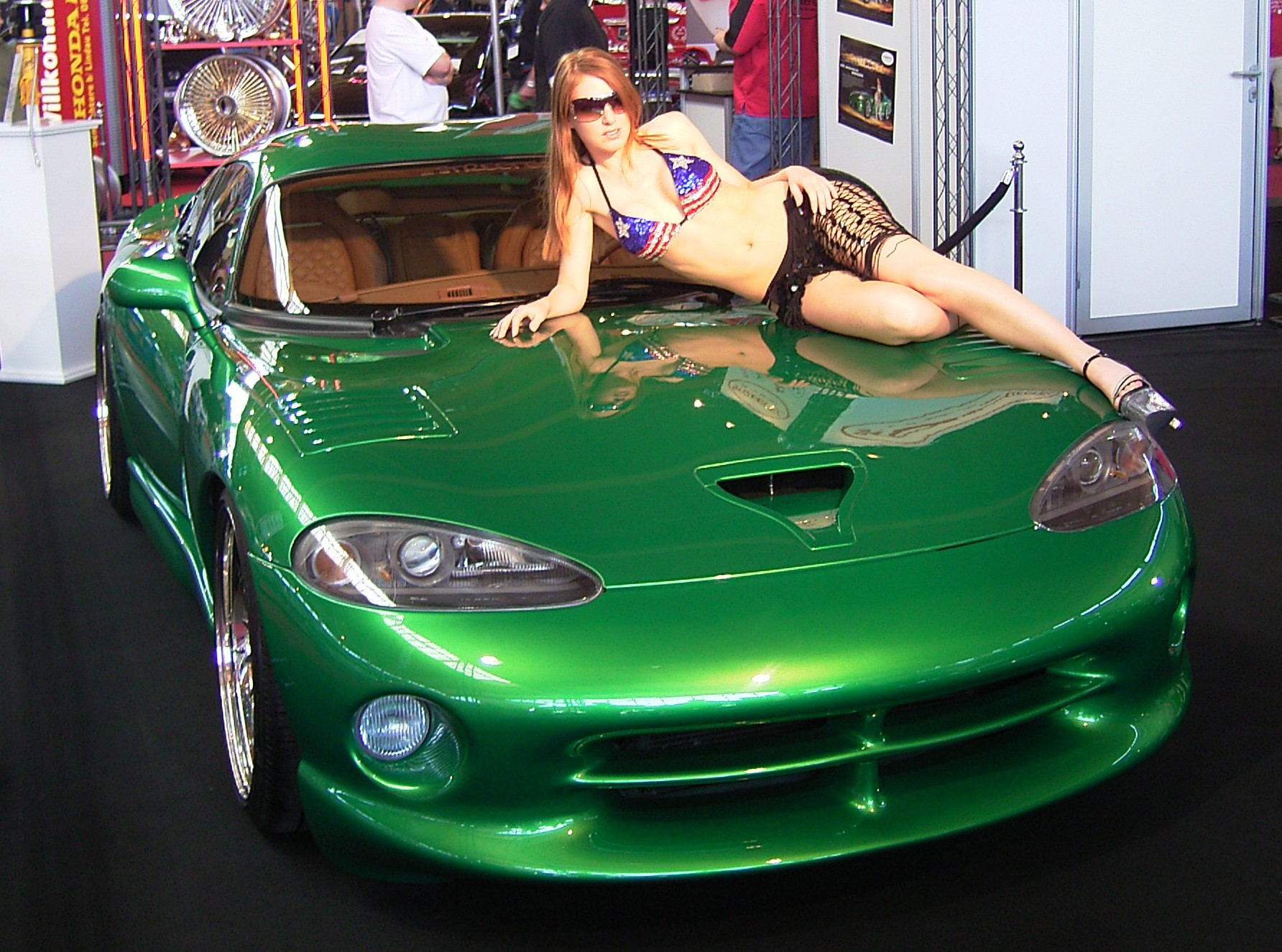
Amazing Green Model Dodge Lingenfelter Viper GTS Show


Amazing Look Like Racing Car Design Dodge Lingenfelter Viper GTS


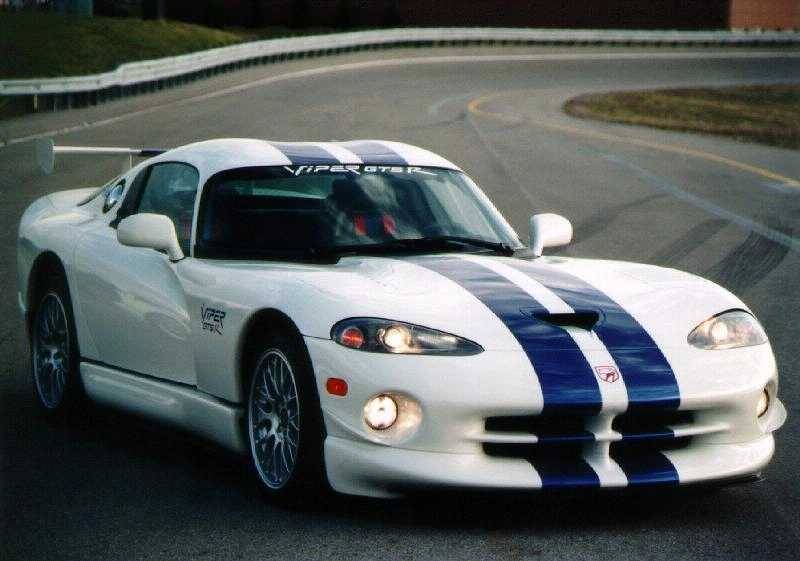
2000 Dodge Viper GTS fun


Great Concept Dodge Lingenfelter Viper GTS


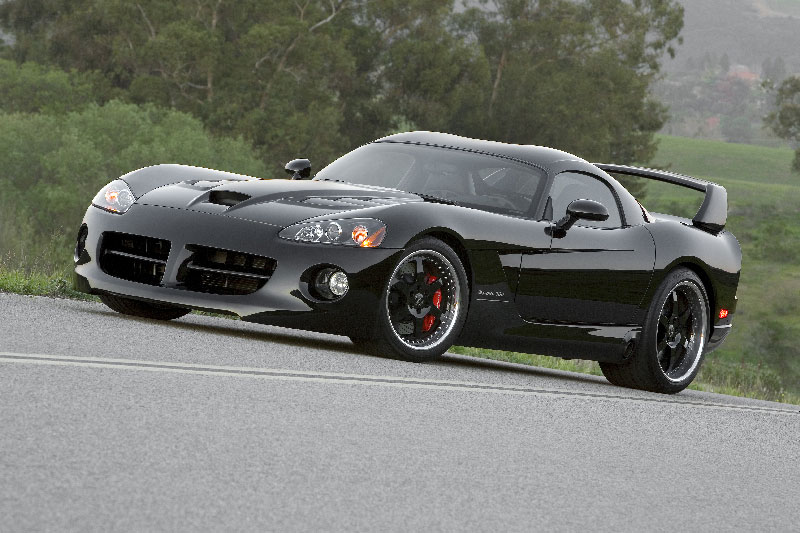
Luxury Sport Blue Dodge Lingenfelter Viper GTS


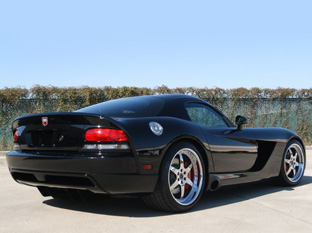
Luxury Sport Car Dodge Lingenfelter Viper GTS

2012 Volkswagen Phaeton

Specifications prices Modifications and Image 2012 Volkswagen Phaeton
At the Transparent Factory in Dresden Volkswagen produces one of the finest automobiles in the world: the Volkswagen Phaeton. The limousine's quality and comfort (four-wheel drive and air suspension as standard) set a unique benchmark. Volkswagen, the most successful carmaker in Europe and China, has now made the VW Phaeton even more perfect. The company's new flagship was unveiled for the first time at Auto China 2010 in Beijing.
Its contours are defined by the Volkswagen design DNA developed by Walter de Silva, the group's Italian chief designer. Around the completely new front section in particular the design team has further refined the model's very own stylistic aplomb. In the process the timelessly elegant Volkswagen Phaeton has gained a broader and more powerful appearance. The new model is also characterised by modifications to its rear section and silhouette.
At the same time, new technical features have been added. These include Dynamic Light Assist (camera-based dynamic main beam regulation) and a navigation system that, if desired, can integrate online data from Google into the map display. In addition to this, the Volkswagen Phaeton's optional front camera enables it to 'see' road signs, with speed limit signs visualised on the instrument panel and centre console's touchscreen. The system will also be able to recognise and depict 'no overtaking' signs - the first in the world to do so!
 INTERIOR
The VW Phaeton's interior ranks as one of the most elegant, high quality and comfortable in the entire premium class. The 4-zone air-conditioning system, for example, that works totally free of any draughts, and the award-winning ergonomic 18-way seats are unsurpassed. All of the Volkswagen Phaeton interior's functions are also intuitive to use. In addition to the version with three rear seats (5-seater), the limousine can be optionally ordered with two electrically adjustable individual seats (4-seater). Furthermore a version of the Volkswagen Phaeton is also available that is twelve centimetres longer. Meanwhile, the limousine can be almost infinitely personalised with a wide range of leather, alcantara and wood trim, plus optional equipment such as a fridge or multimedia systems from Volkswagen Exclusive. This also applies to the completely redesigned multifunction steering wheel. It can be ordered either in leather or in a wood/leather combination matching the relevant wood trim features.
EXTERIOR
Depending on wheelbase, the 2011 model VW Phaeton is between 5.06 and 5.18 metres long. As mentioned above, a completely new front section has been developed for this flagship of the Volkswagen brand. In keeping with the current Volkswagen design DNA, its form is dominated by horizontal lines. Unlike all other Volkswagens created to date on the basis of this new DNA, the Volkswagen Phaeton does not have a shiny black radiator grille cover, but instead a completely new chrome element. Along with the likewise restyled headlights, this radiator trim is a major influence in the new Phaeton's design and underlines its uncompromisingly independent character. In detail the new grille is more upright, while its stricter lines and impressive alternation of materials between polished and matt chrome make it even more striking. The horizontal linking of grille and headlights follows the Volkswagen design criteria and impressively emphasises the vehicle's width. As a sign of its class specific to this model the Volkswagen Phaeton also features three-dimensional moulding of the grille and bonnet, with precise edges that carry the grille's heightened expression of quality on into the sculptured contours of the vehicle body. Once again in the centre of the grille is the classic VW badge, which now - despite integrating the ACC (automatic distance control) system's radar sensors - has a new-look surface design.
To the left and right of the grille are new Bi-Xenon headlamps, which are standard across the range. Integrated within them are cornering and adaptive lights. Not just in visual terms, but from a technical perspective too, this is a whole new generation of headlamps. Firstly, the indicator and adaptive cornering lights are highly visible and stylistically striking LEDs. Secondly, as with the new Touareg, the VW Phaeton will also be available with optional Dynamic Light Assist. Using a camera integrated into the rear-view mirror, this complex technology 'detects' other road users and regulates illumination of the carriageway accordingly (see separate section on Dynamic Light Assist).
The bumper has also been redesigned in keeping with the radiator grille and headlamps. Here too horizontal lines form the guiding principles of the new design. Even the fog lamps have been designed as narrow, horizontal LED strips. Last but not least, the bottom final section of the bumper is now also colour-coordinated with the car body. Compared to the previous model the new generation Phaeton thus looks even sportier and more imposing on the road.
Also modified, the back of the car underlines this impression. The design team decided here not to change the classic, clear and powerful basic style that this area has always had, but instead to develop new LED rear light clusters. Each cluster features dotted lights and an M-shaped LED strip. The result is an unmistakable, elegant look both in daylight and at night. Also new is the VW badge - now likewise in 3D format - on the boot lid.
As at the front, the rear bumper has also been redesigned. It now has a new, three-piece chrome bar and the section of the bumper trim near the road is now also colour-coordinated with the car body. The same goes for the bottom section of the side skirts. Also noticeable in silhouette view are modified side trim strips, narrower LED indicators in the wing mirrors and new 18-inch ('Experience') alloy wheels.
 ENGINE
Powertrain options in the Phaeton remain unchanged. The lone diesel choice is a 240-hp, 3.0-liter V-6, while the gas-powered camp gets the choice between a 280-hp, 3.6-liter V-6, a 335-hp, 4.2-liter V-8, or a 450-hp, 6.0-liter W-12. Interestingly, the Phaeton does not see the updated, 500-hp, 6.3-liter W-12 from the new Audi A8. While the updates include no mention of the Phaeton returning to the U.S., we have heard from several high-placed executives that a comeback is being considered, likely after the next generation arrives in a few years. 
The W12 Phaeton’s 18-way memory power front seats are heatable, ventilated and have a 10-minute massage function and four-way power lumbar support. Rear seats also are heated. Interior trim on seating, steering wheel and doors includes premium wood, leather upgrades, and brushed metal accents.
As with all Volkswagen vehicles, concern for safety is uppermost in Phaeton. As standard safety equipment, both the V8 and W12 models have eight airbags, including Volkswagen’s Side Curtain Protection®; a four-wheel Anti- lock Braking System with emergency brake assist; electronic park assist; an advanced Electronic Stabilization Program (ESP®); and a tire pressure monitoring system.
source:www.netcarshow.com,www.caranddriver.com

Thursday, October 20, 2011

Dodge Hennessey Venom


Luxury Modern Bottom In Driving Interior Dodge Hennessey Venom


Elegant Dodge Hennessey Venom view side


Dodge Viper ACR Hennessey Venom Sound


Ultra Modern Dodge Hennessey Venom On The Road


Its Sport Car Dodge Hennessey Venom


Super Turbo Dodge Hennessey Venom Engine


Amazing Super Car Red Dodge Hennessey Venom

2012 Nissan NV2500

Specifications prices Modifications and Image 2012 Nissan NV2500
Nissan has been full of little surprises in the utility-vehicle realm lately—the Rogue, the Cube, the Juke—and here’s another, although the word “little” doesn’t apply in the case of the NV cargo van. Not when the subject vehicle stands 105 inches tall, with a cargo hold capable of swallowing a couple of basketball teams—or maybe three or four juvenile giraffes—standing at full height.
The surprises here are multiple: first, that Nissan chose to play in this game at all. The full-size-van market amounts to about 300,000 units in most years (although it dipped sharply in 2008 and ’09), and it’s dominated by Ford (about 50 percent) and General Motors (around 45 percent). The Sprinter, which has been sold here wearing Mercedes-Benz, Dodge, and Freightliner badges, has hitherto been the only tall van in this segment and accounts for the other five percent. So, it’s a relatively small market that is 95-percent owned by domestic makes whose loyal customers are hard to seduce. Apparently, Nissan took that as a challenge.
Another surprise is that Nissan chose to create a dedicated chassis for its new van. Aside from one crossmember, the NV’s fully boxed ladder frame—it looks as if it could have been sectioned out of New York’s 59th Street Bridge—shares nothing with the Titan pickup. That’s a lot of investment for what figures to be a small slice of a modest market, although we do expect Nissan to utilize this frame for a heavy-duty Titan or the next generation of the regular-strength pickup.
 INTERIOR
* Simple, flexible layout designed to meet multiple customer requirements
* Ample legroom and foot room
* Comfortable, durable front seats with range of adjusts, available lumbar support
* Heavy-duty fabrics and materials, water repellent fabric on main seating surfaces and built in seat bolster durability patch to resist wear
* Fold-down passenger seatback with one-hand operation, serves as mobile worktable
* Available lockable center console with business card holder and room for mobile phone chargers, letter size files, laptop computer; laptop computer/mobile phone charger outlet inside center console; console lid slides forward to provide work surface for laptop or paperwork
* Available four cupholders, instrument panel storage compartments
* Available overhead console (High Roof models) with room for gloves, legal-size binder, system books, safety glasses
* Large door pockets with room for flashlights, legal-size binder, 1-liter bottle
* Large cargo floor, square-top wheelwells
* Standard upfitter pre-wiring
* Wide-coverage cargo area lighting
* Available power outlets, including available 3-prong 120V outlet in center console and D-pillar locations
* Multiple integrated reinforced attachment points for securing cargo customization equipment
* Recessed “D” tie-down rings
* Available Technology Package offering Bluetooth Hands-free Phone System, Navigation, USB interface and Rear View Monitor
EXTERIOR
* Body-on-frame construction
* Choice of Standard Roof or High Roof body
* Strong masculine styling with iconic Nissan signature front end design
* Long hood for easy engine compartment access and serviceability
* Large side panels for advertising or business signage
* Large, wide-opening front and rear doors, sliding passenger-side door
* Standard Roof models fit in most garages and fast food/bank drive-through lanes and car washes
* Integrated roof attachment points for durable installation of roof mounted ladder and utility racks
* High Roof models provide easy cargo area ingress and egress, comfortable walk-through and stand up capability
 ENGINE
Although the underpinnings are new, the powertrains are familiar, as both are from the Nissan pickup inventory. The base van with the high or standard roof is propelled by a 4.0-liter V-6 (261 hp, 281 lb-ft of torque) from the mid-size Frontier. The optional engine is the Titan’s 5.6-liter V-8 (317 hp, 385 lb-ft), which is standard in the top-spec 3500 and powered the example tested here. Both engines transmit power to the rear wheels via a five-speed automatic transmission. There is no four-wheel-drive option.


At the test track, this powertrain plus a 6220-pound curb weight added up to a 0-to-60-mph time of 8.4 seconds—not exactly thrilling, but much quicker than the 11.6 seconds recorded by the last Sprinter we tested. The NV also trumped the Sprinter’s passing times: 4.2 and 5.9 seconds to accelerate from 30 mph to 50 and 50 to 70, respectively, compared with 5.7 and 9.0 seconds. There didn’t seem to be much degradation when we hooked up some 4500 pounds of trailer and race car and loaded a few hundred pounds of spares inside, either.
Engine performance, then, is pretty good for a vehicle in this size and weight class, and fuel economy is about what you’d expect. The EPA doesn’t require mpg ratings for vehicles with a gross vehicle weight rating (GVWR) above 8500 pounds, and the NV tested here carries a 9100-pound GVWR. We logged 11 mpg during the van’s two-week stay—not impressive, but that did include almost 400 miles of towing to and from GingerMan Raceway in western Michigan.
Safety and Security
* Dual-stage supplemental front air bags
* 3-point front seat belts with pretensioners and load limiters
* Available supplemental front seat-mounted side-impact air bags and roof-mounted supplemental curtain air bags
Models and Manufacturing
* Offered in three well-equipped models: NV1500, NV2500 HD, NV3500 HD
* Available in Standard Roof and High Roof body configurations (NV2500 HD, NV3500 HD series)
* Assembled by Nissan North America Manufacturing Canton, Mississippi Plant
source:www.zulva.com,www.caranddriver.com

Wednesday, October 19, 2011

Dodge Hennessey Venom 650R


Super Modern Dodge Hennessey Venom 650R Engine


Amazing Sport Car Dodge Hennessey Venom 650R


Luxury Black Dodge Hennessey Venom 650R On The Road


Yellow Dodge Hennessey Venom 650R Hatchback


Amazing Silver Dodge Hennessey Venom 650R Hatchback


There is a big difference between driving fast and being a reckless driver


Luxury Modern Black Dodge Hennessey Venom 650R

2012 Ford Territory|Review:Interior:Exterior|

Specifications prices Modifications and Image 2012 Ford Territory
Following an extensive development programme the covers have finally come off the highly anticipated new-model Ford Territory. The Australian-designed-and-developed SUV (Sports Utility Vehicle) has undergone an extensive visual update inside and out. The new Territory wears a stylish suit cut from Ford's kinetic design language and its bold new look makes it instantly recognisable as a member of Ford's comprehensive model family.

Redesigning the multi-award-winning Ford Territory meant building on its already clean and attractive looks, the result of the first-generation Territory's original design goal: to create a vehicle that embodied the strength and power of a traditional SUV while having the prestige, agility and nimbleness of a sporting sedan. The new Ford Territory has taken this to another level.

Underpinning new Ford Territory's design was its dual personality: a sophisticated and sporty urban wagon for weekdays and a family getaway vehicle on weekends. Successfully presenting these two functional roles in an exciting visual form was the responsibility of the Ford Australia design team, headed by Chris Svensson, Design Director for Ford Asia Pacific and Africa.

"We worked hard to ensure the new Territory was an evolution of the original model and, through the use of Ford's distinct design DNA, also gave a hint of the future," Svensson said. "To achieve this we applied Ford's unique style philosophy: kinetic design. Kinetic design comprises several specific elements, all of which are present in the new Ford Territory. They are confident stance, dynamic lines, expressive form language, taut surfacing, bold graphics and great detailing. When you combine them they convey movement and athleticism. In other words, the vehicle looks like it is moving when standing still. The overall visual effect of kinetic design is simple: in the case of the new Ford Territory it communicates its dynamic capabilities and fun-to-drive spirit."
INTERIOR
“The interior of the new Ford Territory is sophisticated and sporty and builds on the model’s famed functionality and comfort.”
- Scott Ferrier, Design Manager – Passenger Car Interiors
The Ford Australia design team responsible for the new Territory’s interior has worked to build on the model’s famed functionality and attractive cabin. New Territory’s five- or seven-seat flexibility, user-friendly technology and driver-oriented cockpit provide the ideal environment for today’s modern family.
Melbourne-based Scott Ferrier, Ford Asia Pacific and Africa’s Design Manager for passenger car interiors, said it was vital to maintain familiarity when developing new Territory’s interior.
“When we first designed the Territory our customers hailed the vehicle’s functionality, spaciousness, and design,” he said.
“Territory is a very successful model for Ford. We had to enhance it with respect to its many existing owners, all of whom are essential to the model’s continued success.
“Hence, there are several aspects to the new Territory’s interior that identify with the original model.
“Drivers will find the positioning of the new Territory’s controls both familiar and easy to use. The layout of the panel’s instrument cluster and central LED screen, the centre console, button controls and steering column-mounted stalk controls are stylish and logical.”
Instrument Panel (IP), Steering Wheel and All-new 8-inch Touch Screen
The new Territory’s fundamental interior architecture remains unchanged and starts with its seven-seat “theatre-style” seating layout (standard fitment on Titanium and TS, optional at extra cost on TX).
Each of the three variants – TX, TS and Titanium – receives unique cabin treatments taken from new Territory’s kinetic design DNA.
Customers will instantly feel at home with the clearly visible Ford design language obvious in the new Territory’s enhanced interior space.
Headlining the list of enhancements are the new instrument panel (IP), centre console, and four-spoke steering wheel, all of which share their design origins from the current-model FG Falcon sedan. The design of their push-button controls and elegant layout add to the interior’s up-to-date feel.
Behind the new four-spoke steering wheel, the new instrument panel’s easy-to-read gauge cluster with centrally mounted LED screen is elegant and effective. New, round air vents are located at each end of the new instrument panel. These not only enhance the look of the cabin but also provide efficient cooling and heating.
The new Territory’s Interior Command Centre (ICC) – which is located at the centre of the instrument panel – is also familiar from the FG Falcon but it arrives in the new Territory with a special addition. In an Australian Ford-first, the new Territory will be available with Ford’s advanced eight-inch colour touch screen – a technology milestone for an Australian-built Ford vehicle. This stylish and simple-to-use feature will be fitted to the Territory TS and Titanium models as standard equipment. The Territory TX will be fitted with a 5.8-inch monochromatic display screen.
This signature touch-screen feature is mounted at the top of the instrument panel’s ICC and within easy view and reach for both the driver and front passenger. The sleek-looking unit controls functions such as Territory’s audio system, telephone and climate controls.
Scott Ferrier: “The new colour touch screen is very easy to operate from both front seats and we worked hard to ensure it is suitably recessed to shield it from direct sunlight.”
At the base of the ICC and located just ahead of the transmission gear shifter is another all-new feature. A stylish tambour door conceals a deeply recessed storage bin with ample room for mobile telephones, CDs, iPods or small cameras. It also offers dedicated storage for a tissue box and has an integrated pen holder and a 12-volt accessory outlet.
This storage unit is a clever addition to Territory’s famed functionality and packaging. The roller-action tambour door has been carefully developed to provide a smooth and damped action reminiscent of those found in more expensive European cars. It has also been sculpted as part of the new Territory’s centre console, the comfortable design of which will also be familiar to Ford drivers.
The centre console now comes with recessed cup holders for better stowage and their rubber surrounds offer increased support. They are also located well clear of the handbrake and transmission shifter.
Another key aspect of the new Territory’s interior design is the structural wrap-around for the centre console and the satin spears. These emphasise strength and are one of the many kinetic design touches that match Territory’s interior with its exterior.
 EXTERIOR
For some, designing a vehicle with two personalities would be considered a tough challenge. Not for Todd Willing, Ford Asia Pacific and Africa's Melbourne-based chief designer responsible for the new Territory's stunning look.
"Ford Territory's credentials as the weekday family car ideal for weekend getaways are well established and it is this dual personality - one of Territory's many attractive features - that is emphasised in its new exterior design," Willing said. "The new Territory exhibits a rugged outdoors-oriented look but its contemporary design is just as at home in the city. Keeping that connection was important, as was showcasing Ford's distinct design DNA - especially the styling hallmarks from the company's passenger car family."
Front
The front end of the new Ford Territory uses a modern tri-plane design. This kinetic facial layout achieves its dynamic look by combining several important elements.
Precision-design projector headlights give the new Territory an immediate attitude that is modern and polished. These are connected visually by a slim-line upper air intake grille that wears a unique wing-formed shape formed from a single bar. This sharp design element surrounds the centrally mounted Blue Oval badge. It is an entirely new design feature from the Ford Australia design team.
"By adding some definition around the Ford badge we have made it more three-dimensional and prominent without changing its size," Willing said. "It is an important feature fitted to the new Ford Territory's frontal design and one which has the potential to be adopted elsewhere."
One of new Territory's most dominating frontal features is its new centrally located main grille opening. This clipped trapezoidal air intake is an important part of Territory's kinetic styling and features an eye-catching triple open-bar design. These bars are given additional attention on the range-leading Titanium version by wearing a chrome finish for a high-jewel effect.
"Dominating the front-end design of the new Ford Territory is its striking trapezoid main grille, a design feature our global design colleagues have recognised as highly creative in forging Territory as a uniquely Australian design," Willing said.
The clipped trapezoid-shaped air intake is more than just a showpiece; its eye-catching shape is also the result of the Ford Territory's cooling needs.
Todd Willing: "The overall main grille design is tied into Territory's engine cooling airflow requirements so getting the final shape absolutely correct had as much to do with engineering as it did aesthetics."
Moving downwards, new Ford Territory's face is completed by an integrated U-form lower chin skid plate. This subtle design feature emphasises Territory's versatility as an outdoor-lifestyle vehicle. It is also a strong yet smooth design element that finishes the vehicle's new frontal style.
Another first for new Ford Territory is the fitment of high-tech LED (Light-Emitting Diode) position lamps. These are fitted to the range-leading Territory Titanium and are usually found on more expensive European SUVs. They are located at the outer edges of the lower trapezoid grille and they operate as position lamps. They also constitute a signature design feature for Ford Territory Titanium. Round fog lights are fitted to the mid-range TS model.
Bonnet
Moving up to the bonnet, Willing and his team have added more surface sculpting.
"We wanted to add more muscularity to the bonnet design with a modest bulge that hints at the available power underneath," Willing said. "These details refer to the arrival of the new TDCi V6 engine and the finer sculpture treatments across both the bonnet and front of the car add to the message of a more dynamic design."
Side profile
The new Territory wears fender features, also known as guard flutes, that add to its sense of strength. This design detail also helps differentiate between each of the models in the series: TX, TS and Titanium. The chrome finish fitted to the Titanium hints at its premium status.
Willing: "The Ford Territory's doors now wear a more integrated design and we have surfaced the door cladding and lower door moulding to make it flusher. The body is given a lower look overall which is a more dynamic appearance."
The SUV's integrated roof rails carry over from the outgoing model Territory and make cross-bar mounting easy to enhance the vehicle's versatility.
 INTERIOR MODEL
TX
ICC (Interior Command Centre) medium shadow metallic
Momentum fabric seat inserts; woven Jacob fabric in seat bolsters
Instrument panel and console spears in platinum metallic
Interior environment in Shadow (black)
Satin Chrome door handle releases
Steering wheel-mounted control buttons finished in Shadow (black)
TS
ICC Medium Platinum Metallic
Essence fabric seat inserts; Miller suede fabric in seat bolsters
Instrument panel and console spears in Platinum Metallic
Interior environment in Shadow (black)
Satin Chrome door handle releases
Steering wheel-mounted control buttons finished in Satin Alloy
Titanium
ICC Medium Platinum Metallic
Seats upholstered in leather
Instrument panel and console spears in Platinum Gloss
Interior environment in Shadow (black) or Cashmere (light beige)
Bright Chrome door handle releases
Extensive use of Satin Alloy and Bright Chrome in ICC switchgear
Top stitching on centre console armrest (matches stitching on all seats)
Steering wheel-mounted control button finished in Satin Alloy

COLOUR AND MATERIALS DESIGN
An essential element of new Ford Territory's interior design brief was the use of more luxurious fabrics on all model variants, giving the occupant space a high level of quality, sophistication and comfort.
Emily Lai, Ford Australia's Design Manager for Colours and Materials, said the new Territory's architectural-type interior finishes of satin and bright chrome were the result of customer feedback.
"Our customers made it clear they wanted to feel like they were in a car, not a truck," she said. "The new Ford Territory's cabin environment is both sporty and sophisticated and its high chrome and satin highlights are modelled on the architectural finishes found in many modern homes and businesses. Both satin and gloss finishes not only provide a high level of sophisticated elegance but link the vehicle's exterior styling with the interior."
The stylish cabin design carries from the front-seat area to the middle- and third-row passengers, areas often overlooked by designers. There is no compromise with the look and feel of the materials from the front of the cabin to the rear.
The new Territory will be available in a variety of upholstery colours and finishes. For example, the no-cost optional light-coloured leather seats in the new range-leading Titanium model, Cashmere, provides a tonal environment that reflects light with the use of high-gloss and satin-metallic finishes. It adds a feeling of heightened visual comfort traditionally found in luxury cars and SUVs. The interior of the Titanium model is partly upholstered in high-grade leather and will also be available in a Shadow (black) environment. The mid-level TS model also wears a Shadow environment and will feature a colour keyed cloth-suede combination seat trim and satin-metallic finishes. The TX will be available in a Shadow environment offering a colour-harmonised cloth seat trim and technical satin finish accents. source:www.zulva.com,www.netcarshow.com
Related Posts Plugin for WordPress, Blogger...